Our 6-Stage Enterprise Data Lifecycle.
We don't build isolated dashboards and walk away. We take responsibility for your complete data journey—from initial system discovery and automated pipeline engineering to Microsoft Fabric deployment and continuous operational evolution.
1. Discover & Assess
We audit your operational source systems, map existing reporting workflows, flag data quality bottlenecks, and reconcile departmental KPI definitions with executive leadership.
Key Deliverables:
- Source Systems Inventory & Network Connectivity Matrix
- Data Quality Bottleneck & Latency Audit Report
- Enterprise KPI Catalog & Business Glossary
- Architecture Roadmap & Phased Delivery Plan
Assessment Scope
We interview key stakeholders across finance, operations, sales, and IT to understand where manual reporting causes friction. We inspect database schemas, API limits, and security constraints to formulate an airtight delivery strategy.
2. Connect & Ingest
Connect ERPs, CRM databases, cloud data sources, spreadsheets, and third-party APIs. We engineer automated ingestion workflows with incremental Change Data Capture (CDC).
Key Deliverables:
- Fabric Data Factory parameterized ingestion pipelines
- Incremental loading & watermark timestamp tracking scripts
- Secure on-premises data gateway configurations
- Raw Bronze Lakehouse storage with automated logging
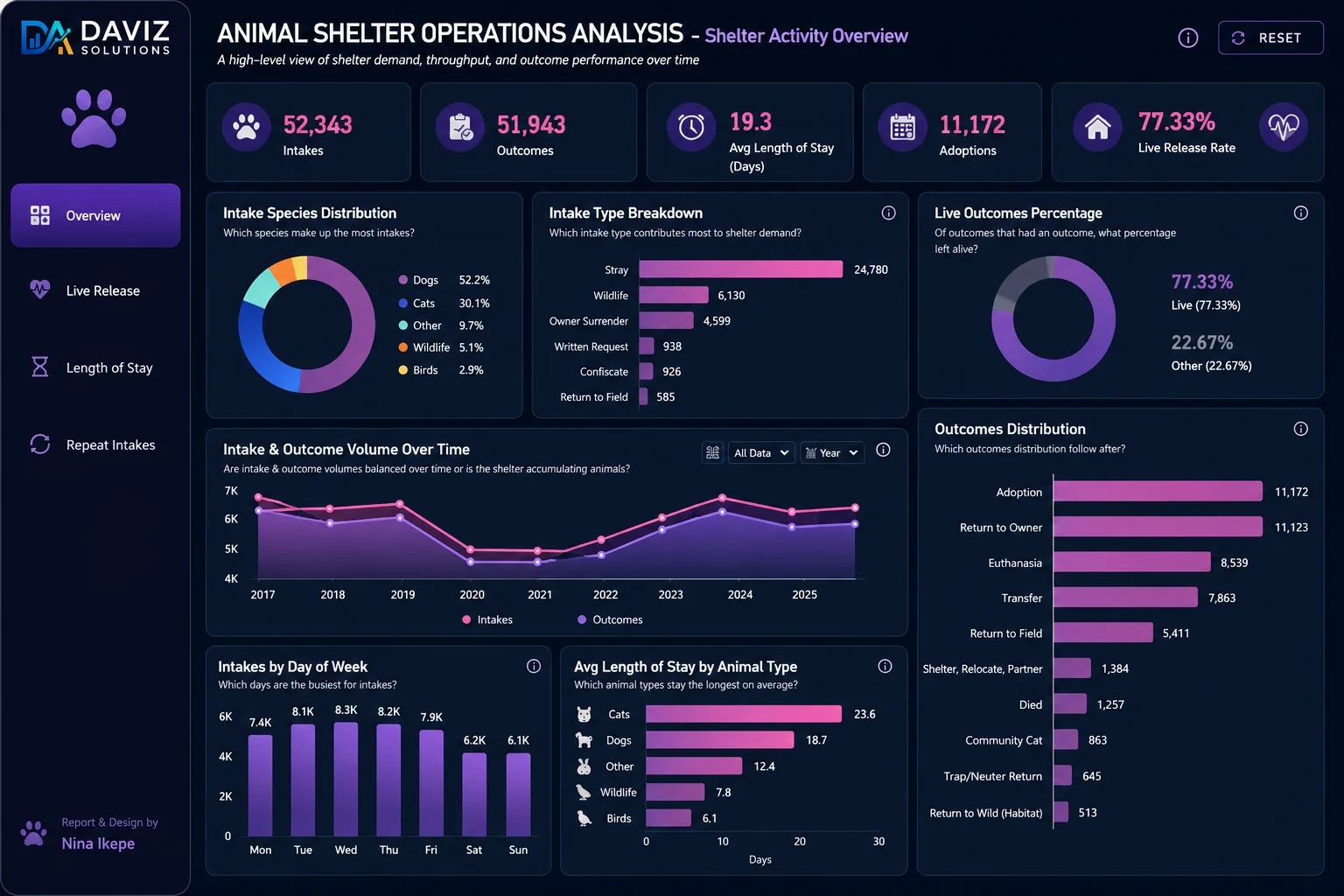
3. Clean & Transform
Raw data is cleansed, standardized, and validated. We remove duplicates, enforce currency conversion rules, align fiscal calendars, and write conformed tables into the Silver Lakehouse layer.
Key Deliverables:
- PySpark notebooks and Dataflows Gen2 transformation routines
- Data quality validation rules with automated alert thresholds
- Referential integrity checks and master data entity resolution
- Cleaned Silver Delta Lake tables ready for analytical modeling
Guaranteed Quality
Every record that enters your analytical warehouse passes rigorous schema validations. If a source system introduces invalid formats or missing mandatory keys, the pipeline routes anomalies to quarantine tables and notifies administrators immediately.
4. Engineer the Data Platform
Implement your Microsoft Fabric architecture. Configure OneLake storage, Lakehouse and Warehouse instances, Delta Lake partitioning, and CI/CD source-control automation.
Key Deliverables:
- Microsoft Fabric workspace and OneLake storage deployment
- Curated Gold Warehouse star-schema dimensional models
- Delta Lake V-Order optimization and partition maintenance
- Git integration and automated deployment pipelines (CI/CD)
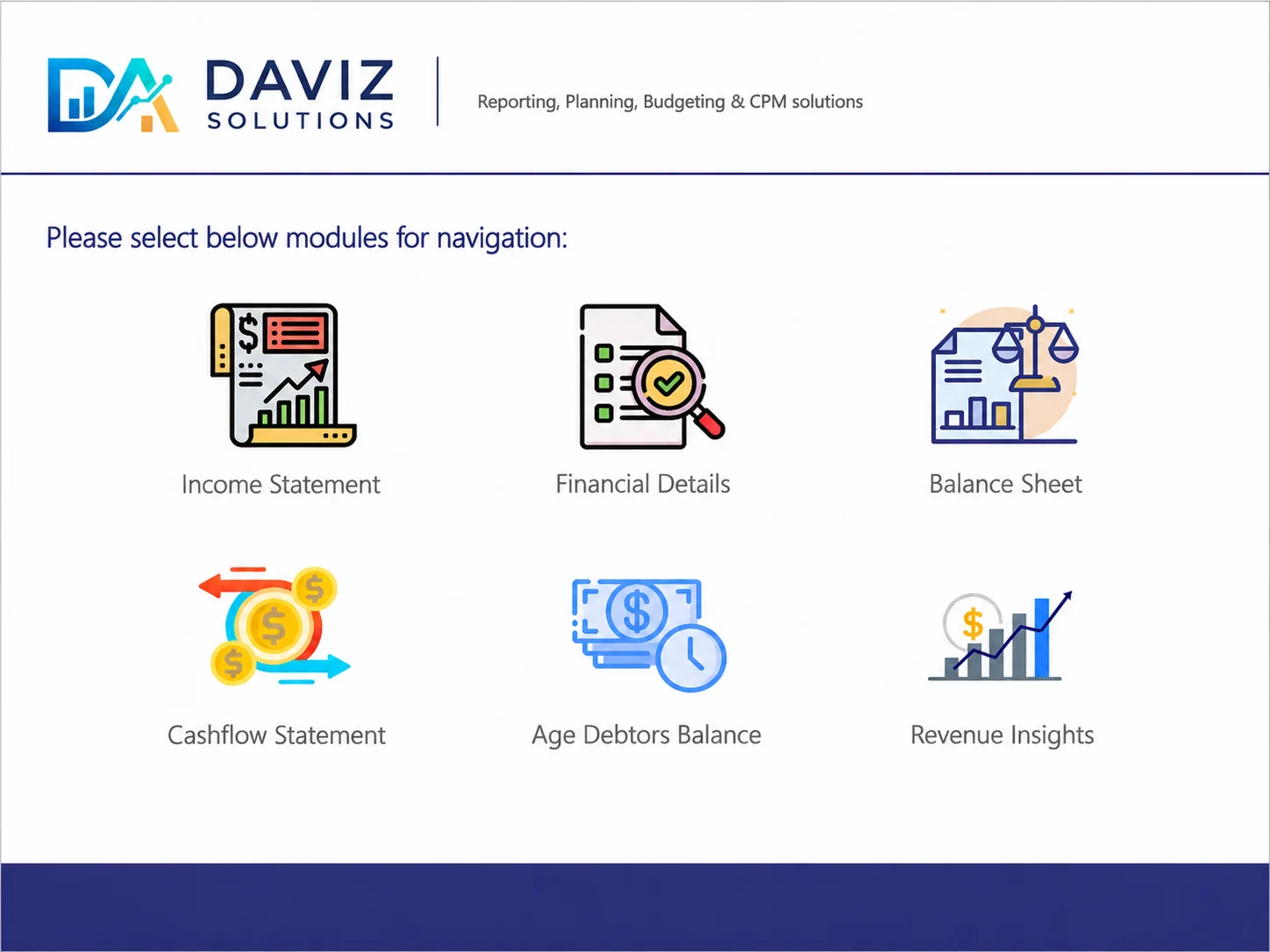
5. Build Intelligence
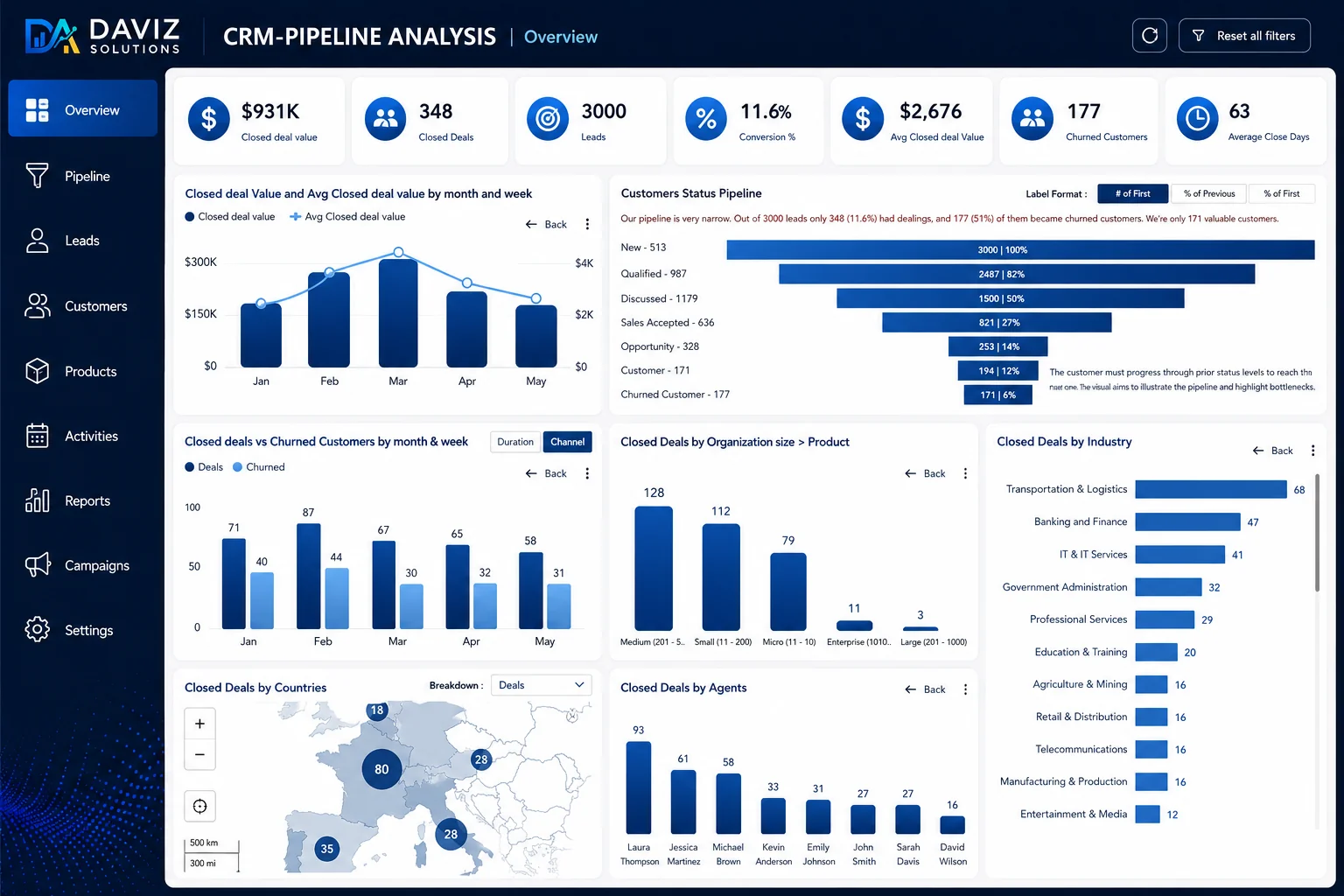
Develop governed Direct Lake semantic models, high-impact Power BI executive dashboards, and custom interactive data applications that provide real-time operational clarity.
Key Deliverables:
- Direct Lake semantic models with authoritative DAX measures
- Executive scorecards, mobile layouts, and Paginated Reports
- Custom React operational applications and decision portals
- Row-Level Security (RLS) policies by department and region
6. Optimize & Evolve
We monitor pipeline execution speeds, manage Fabric capacity consumption, train internal teams, and introduce advanced predictive AI and Copilot decision capabilities.
Key Deliverables:
- Fabric Capacity (CU) utilization monitoring and budget smoothing
- Pipeline SLA monitoring and automated failure escalation
- User enablement workshops and semantic model documentation
- Microsoft Fabric Copilot and AI predictive model integration
Long-Term Partnership
As your business expands and adds new business units or acquires subsidiaries, our architecture easily scales to ingest new data sources without requiring painful rebuilds of your core semantic models.